
Karela, also known as Bitter Gourd, is one of the most valued vegetables in Asian, Middle Eastern, and European ethnic markets. Its distinct bitterness, medicinal properties, and vibrant green color make it a top-demand crop for cultural cuisines and health-focused consumers.
In Tanzania, karela thrives naturally in warm climates, producing pods that are firm, richly colored, and well-shaped — ideal for export markets. At Nurusafe Packhouse, we take this natural advantage and elevate it through professional post-harvest handling and quality control.
Karela (bitter gourd) is increasingly popular in both local and export markets due to its health benefits and culinary versatility. By partnering with NuruSafe, farmers can tap into a reliable market for their produce.
It’s a delicate but high-potential crop. With its unique flavor and growing demand in both local and international markets, handling Karela properly from harvest through storage and distribution is essential to preserve its value. At NuruSafe, we understand these challenges, and we provide specialized post-harvest care and logistics to ensure your karela makes it to market in premium condition.
What Makes Karela Special
High Perishability & Sensitivity
Karela fruit has a relatively short shelf life. According to research, improper handling can lead to rapid deterioration, making high-quality post-harvest operations critical.
Temperature and Humidity Needs
Bitter gourd requires cool storage to preserve freshness, but it is also highly sensitive to chilling injury. Studies and guidelines recommend storing karela at about 10 °C, with high humidity (~90–95%) to reduce water loss and maintain quality
How NuruSafe Handles Karela for Better Quality
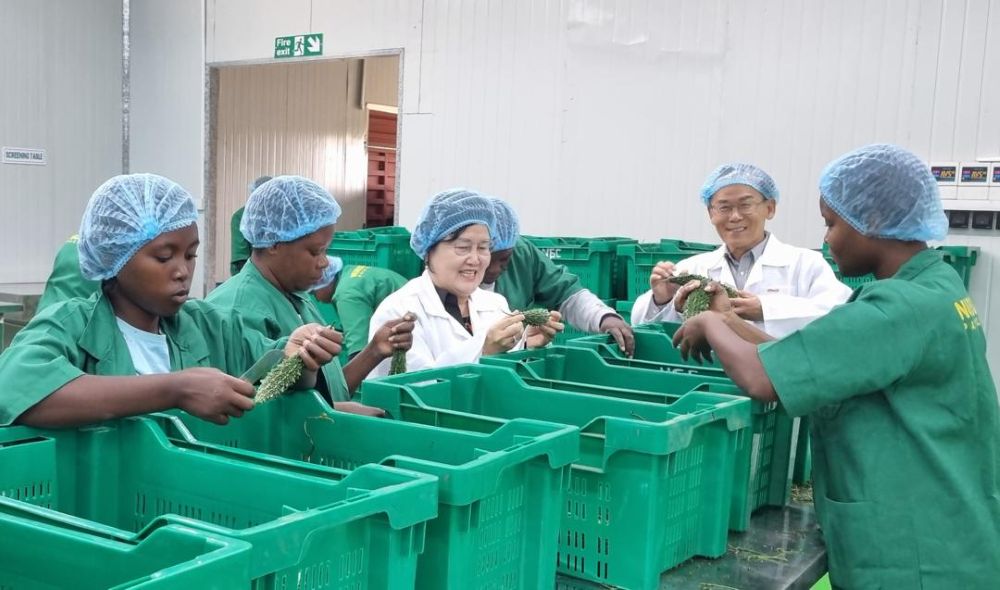
Careful Quality Inspection
When Karela arrives at our facility, we perform a detailed inspection to separate high-quality fruit from those showing signs of damage, disease, or early overripening.Gentle Sorting & Grading
We sort karela by size, shape, and surface characteristics to help ensure the uniform quality that buyers expect. Damaged or overly mature gourds are handled separately to reduce risk and loss.Controlled Pre-Storage Handling
We handle Karela with temperature sensitivity in mind: within our facility, we maintain conditions close to the ideal range (around 10°C) with high humidity to keep the fruit in good condition
Careful Packaging & Cooling
Karela is packed into ventilated crates or boxes designed to minimize bruising. We then move it into our climate-controlled storage to preserve quality and limit post-harvest loss.Logistics & Delivery
When ready to ship, we transport Karela under temperature-monitored conditions to maintain its freshness. Whether heading to local markets or distribution centers, we make sure conditions are optimal during transit.
The Market Potential
Karela is increasingly valued in both local and export markets because of its nutritional appeal and medicinal properties.
With better post-harvest management, farmers can access more lucrative buyers who demand higher quality and consistency.
By reducing losses and increasing shelf life, producers can command better prices and reduce waste — making Karela a more profitable and sustainable crop.
Have a question or interested in working with NuruSafe Packhouse?
Let’s talk about how we can support your Agribusiness goals.